Asturias
Wed, 09/04/2024 - 19:59
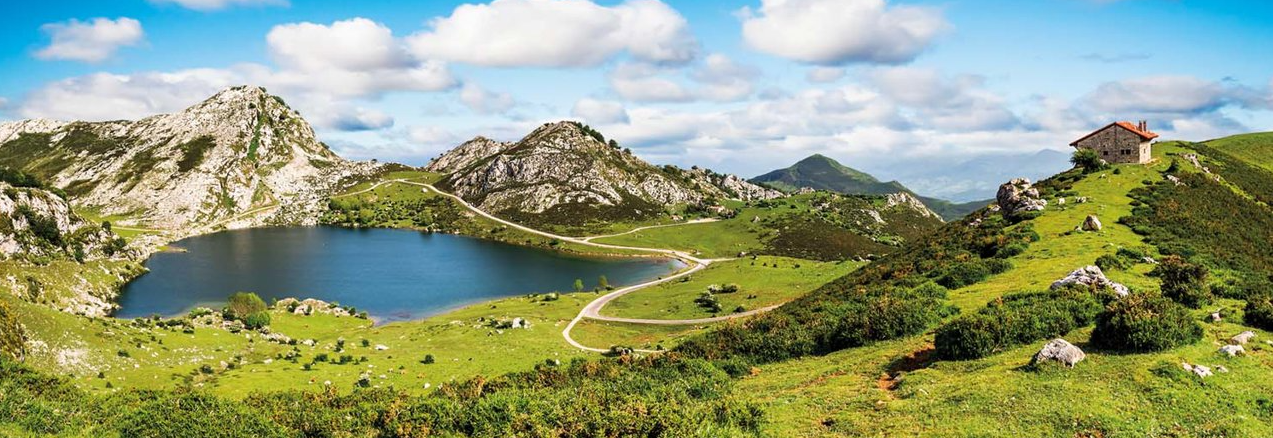
Welcome to Natural Paradise: Asturias
Asturias is a unique region in northern Spain where dramatic mountains, wild beaches, charming villages and vibrant cities can all be found within a short distance of each other. Known as “Natural Paradise”, it offers the perfect combination of nature, culture, gastronomy and adventure, making it an unforgettable destination for Erasmus students and visitors alike.
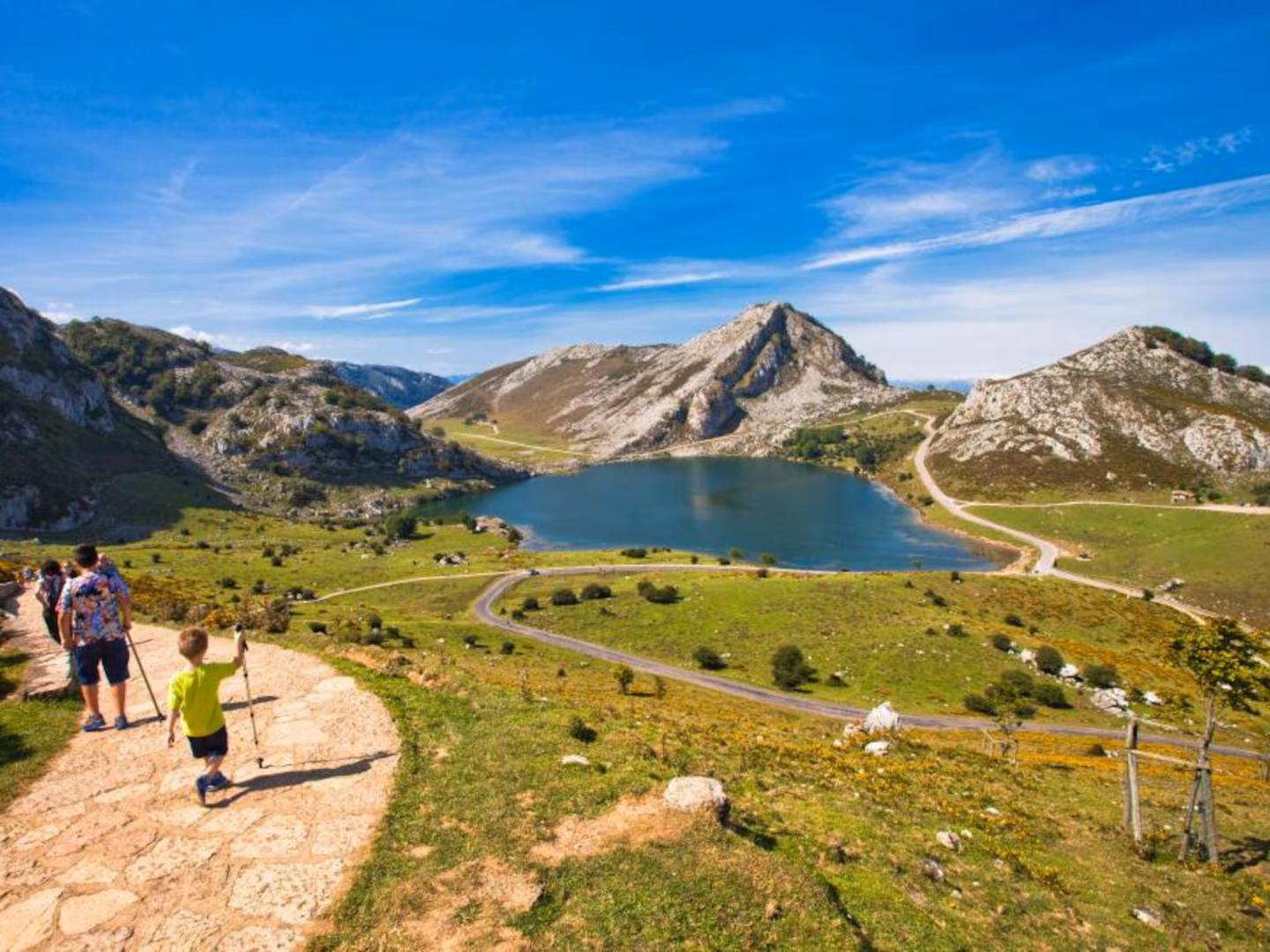
Picos de Europa
The Picos de Europa are one of the most spectacular mountain ranges in Spain, with impressive peaks, deep valleys, hiking routes and breathtaking viewpoints.
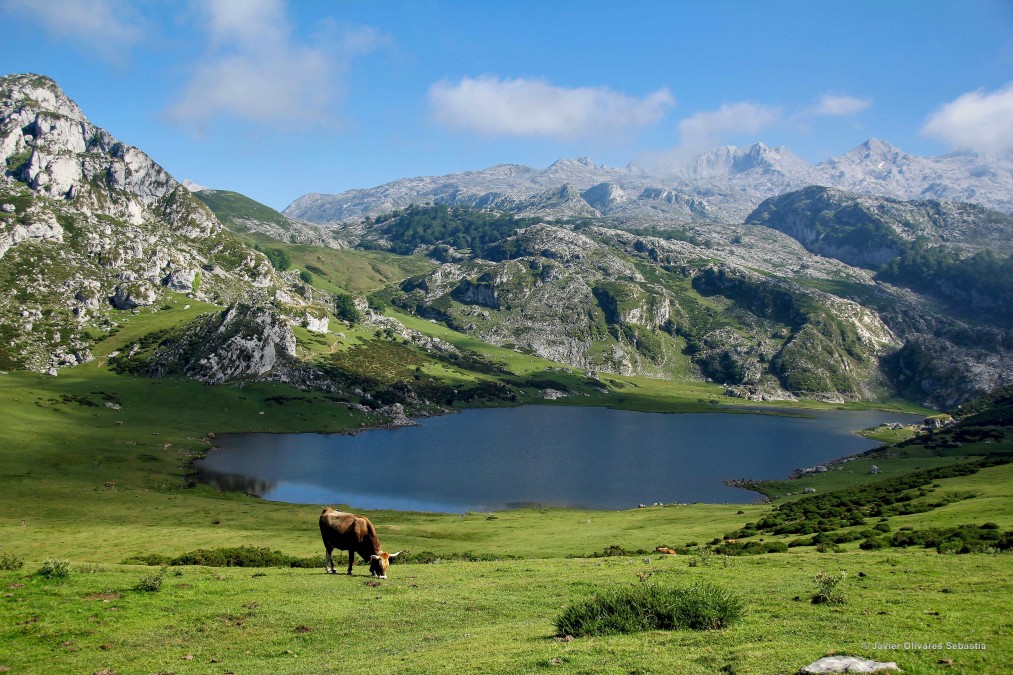
Lagos de Covadonga
One of Asturias' most iconic destinations, the Lakes of Covadonga are surrounded by green meadows, mountain peaks and unforgettable landscapes.
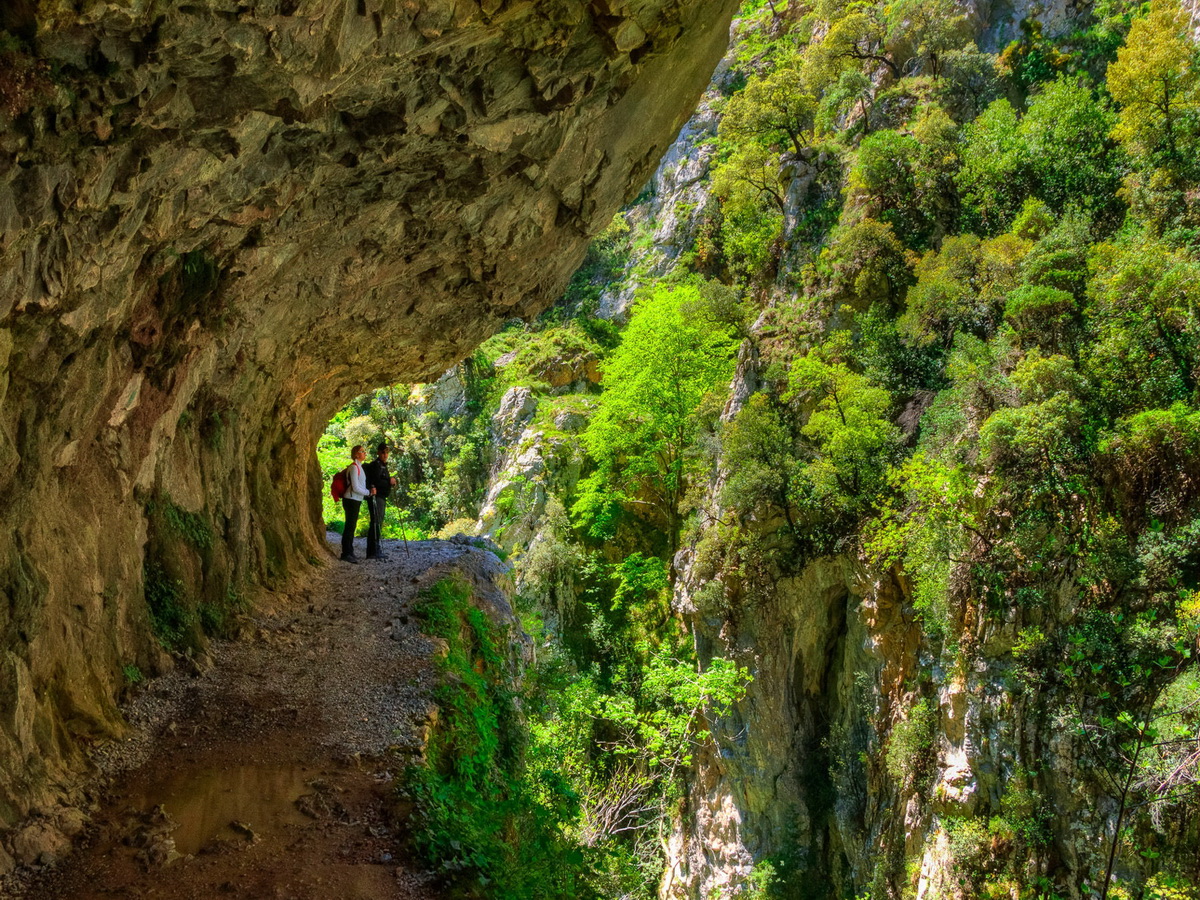
Ruta del Cares
One of Spain's most famous hiking trails, following a dramatic canyon with cliffs, tunnels and spectacular views throughout the route.
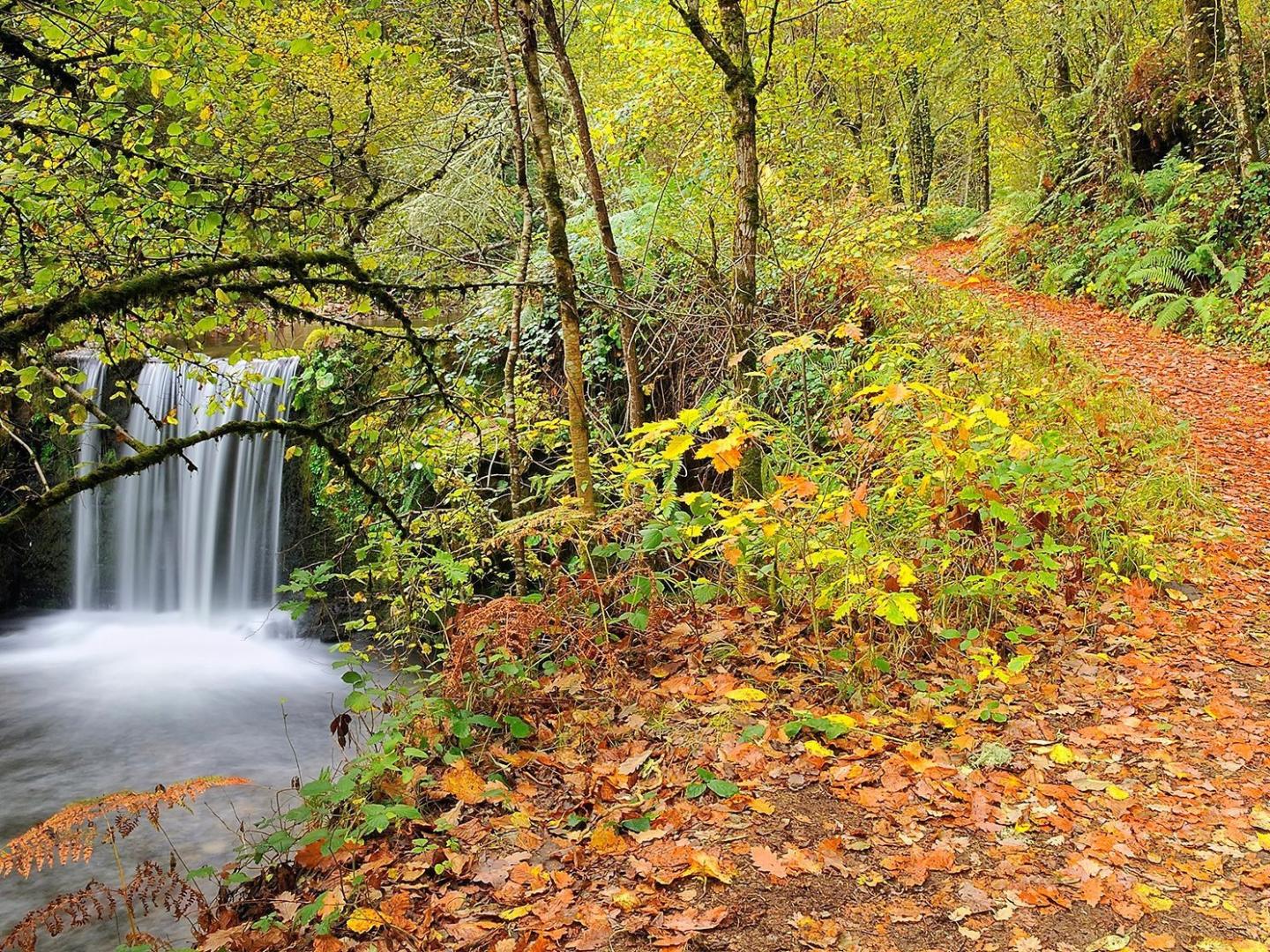
Bosque de Muniellos
One of the largest and best-preserved oak forests in Europe, perfect for nature lovers looking for a peaceful and unique landscape.
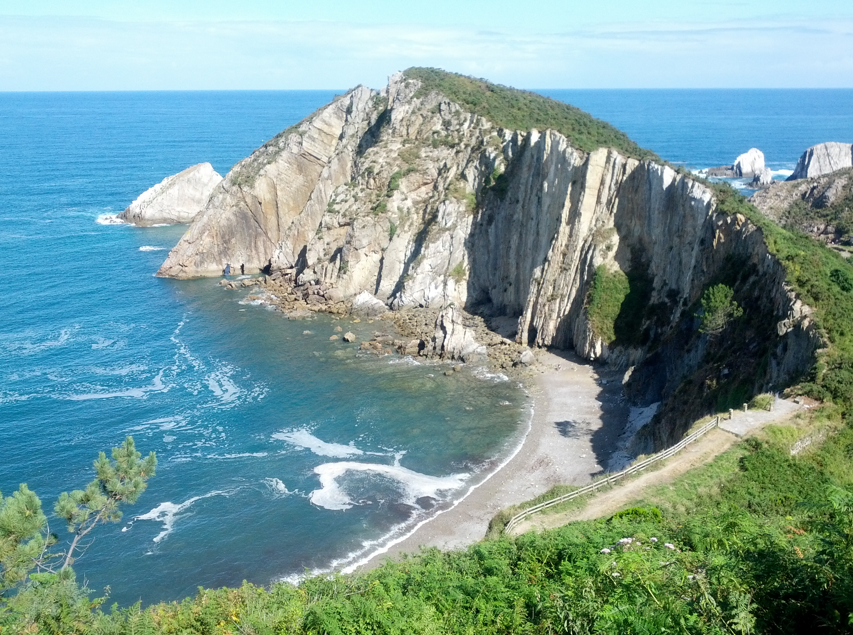
Playa del Silencio
Often considered one of the most beautiful beaches in Asturias, famous for its wild landscape, peaceful atmosphere and dramatic cliffs.
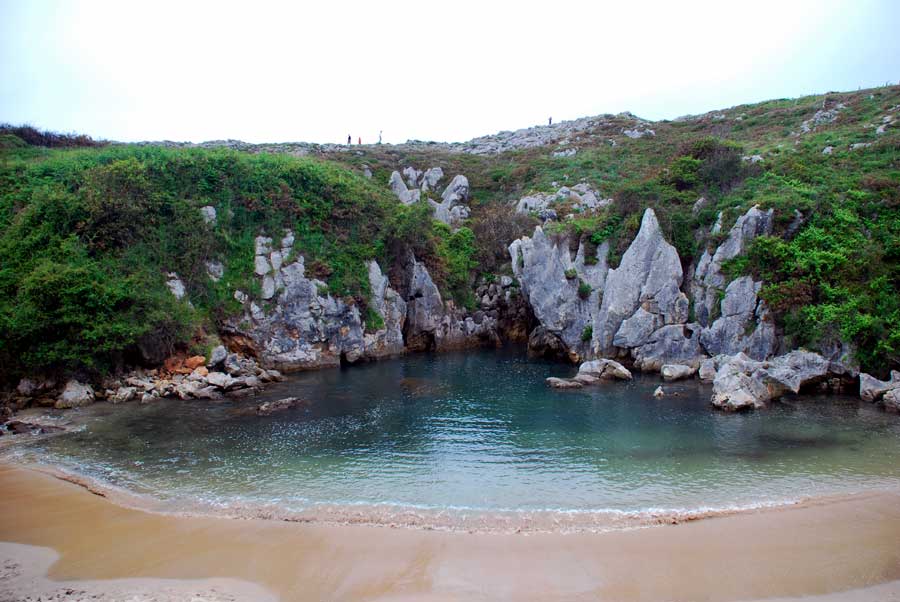
Playa de Gulpiyuri
A tiny inland beach surrounded by green meadows, one of the most unique and photographed natural landmarks in Asturias.
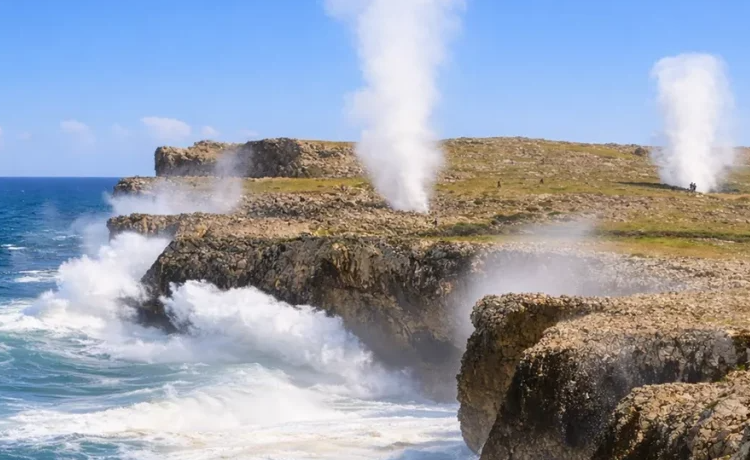
Bufones de Pría
Natural blowholes formed in the cliffs, where the sea creates impressive jets of water and sound during rough weather.
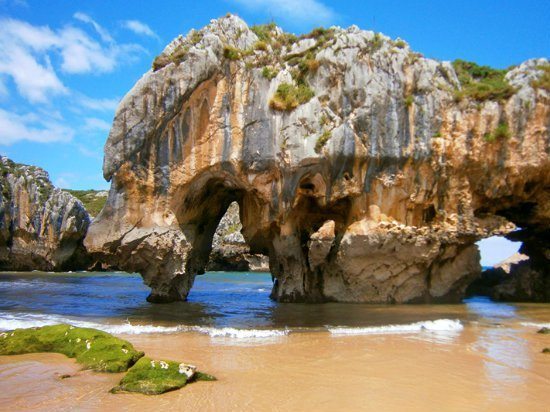
Playa de Cuevas del Mar
A beautiful beach known for its rock formations, natural arches and spectacular coastal scenery.
Charming Villages
Asturias is home to some of the most beautiful villages in Spain. Fishing harbours, colourful houses, mountain landscapes and centuries of local traditions make these destinations perfect for a day trip during your Erasmus experience.
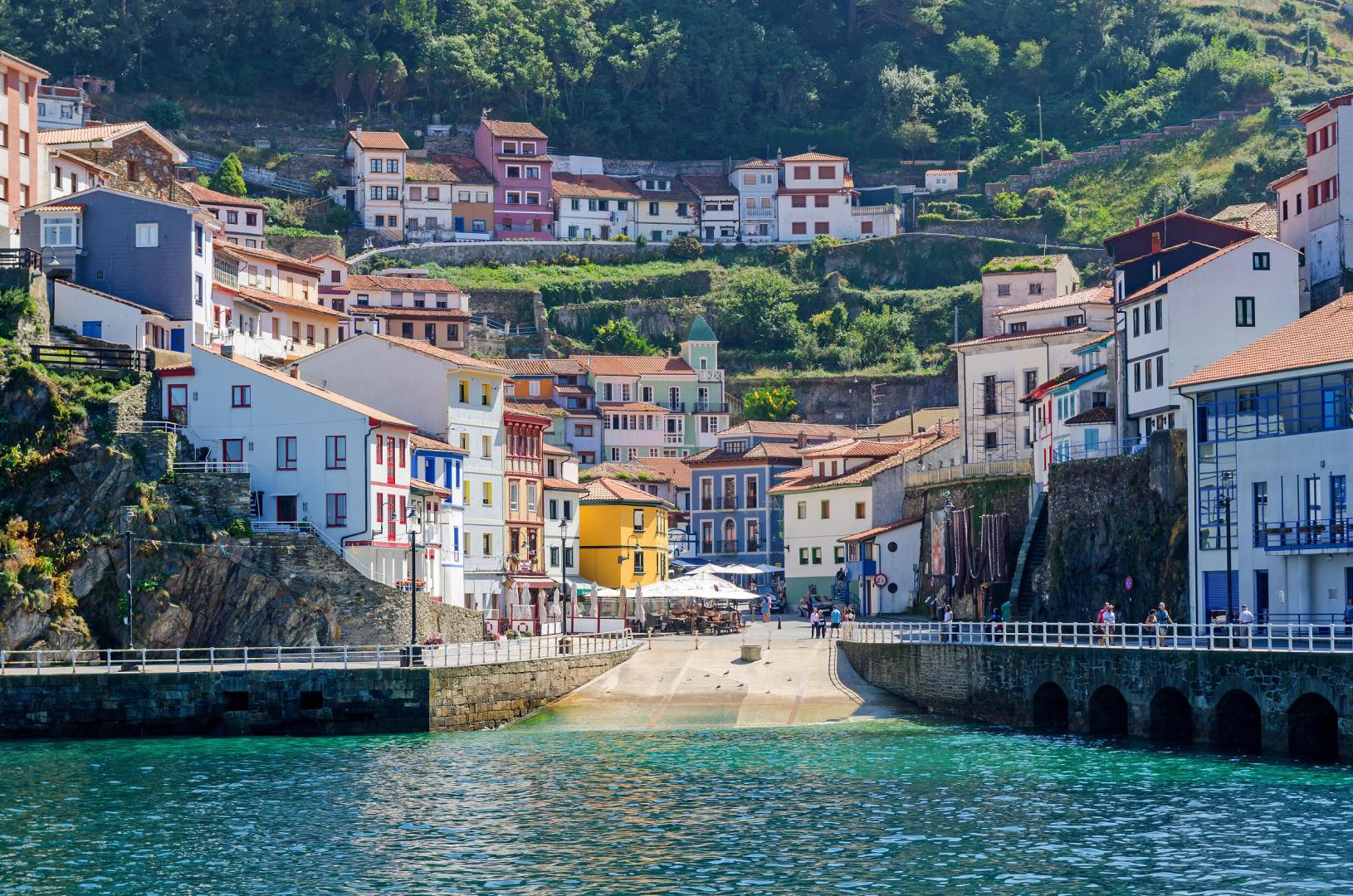
Cudillero
Built on a steep hillside overlooking the Cantabrian Sea, Cudillero is famous for its colourful houses arranged like an amphitheatre around the harbour. It is one of the most photographed places in Asturias.
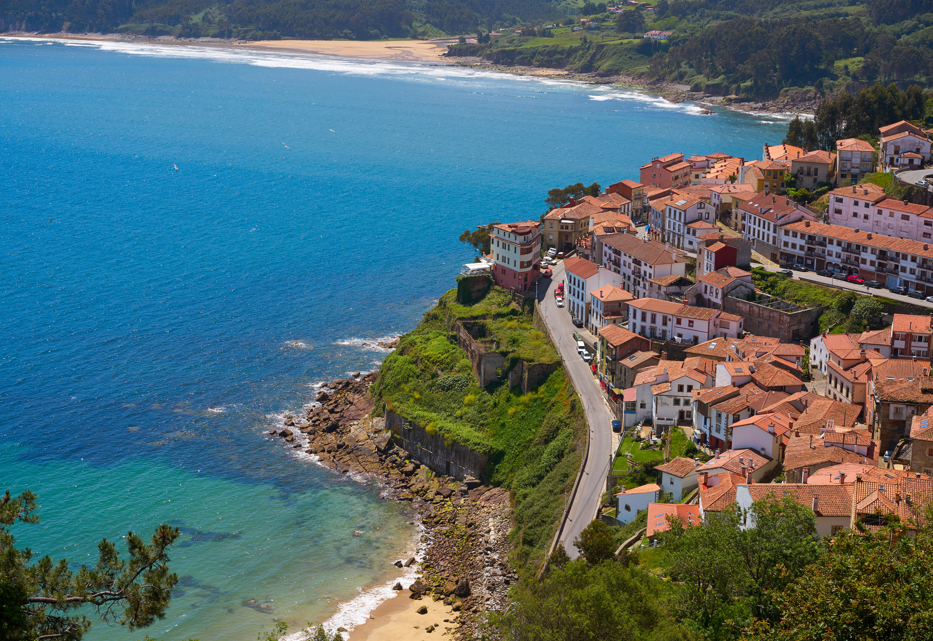
Lastres
This picturesque fishing village combines traditional architecture, steep streets and spectacular sea views. Its charming atmosphere has made it one of the most popular coastal destinations in Asturias.
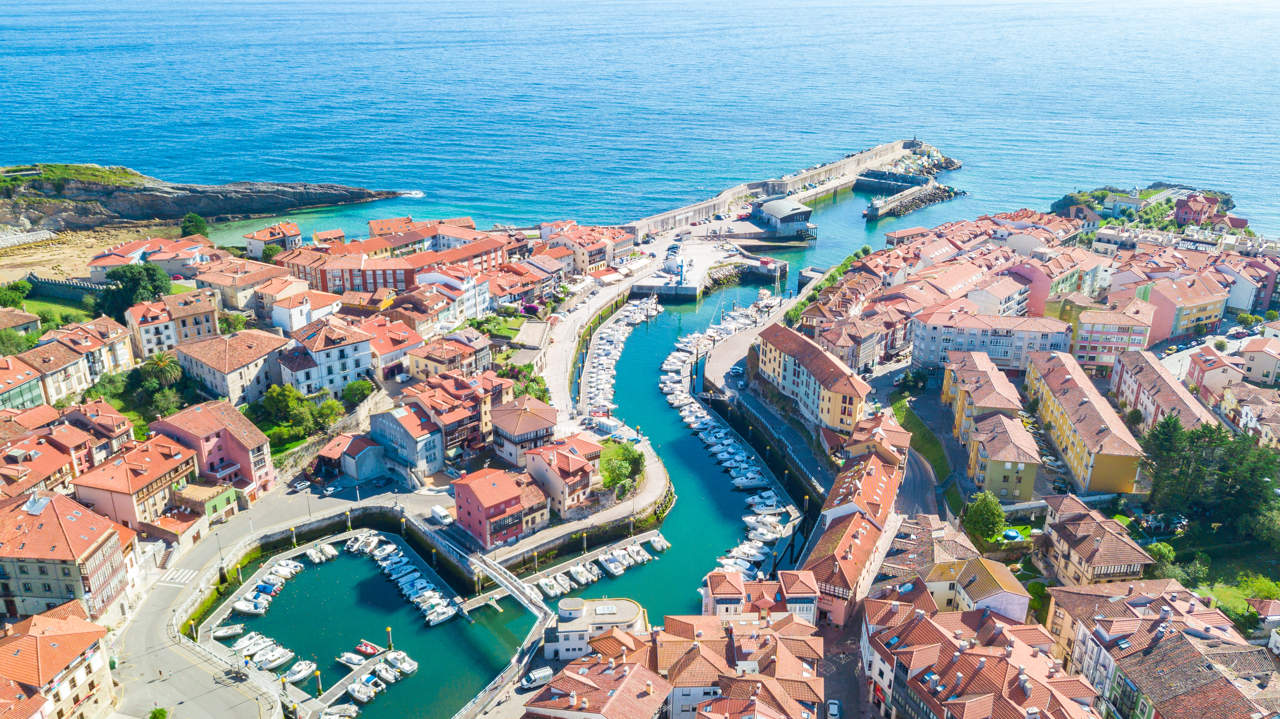
Llanes
Llanes is known for its beautiful beaches, medieval walls and vibrant historic centre. It combines coastal scenery, culture and outdoor activities in one of the most attractive towns in eastern Asturias.
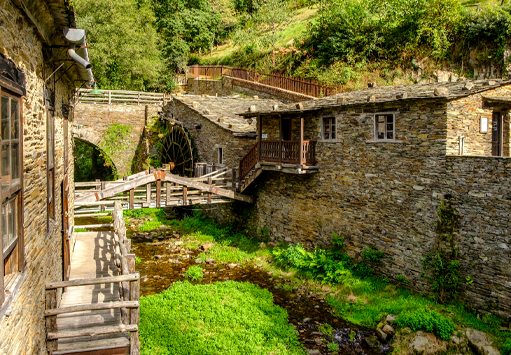
Taramundi
Located in western Asturias, Taramundi is famous for its forests, rivers, traditional watermills and handcrafted knives. It is considered one of the birthplaces of rural tourism in Spain.
Covadonga
Nestled in the mountains of the Picos de Europa, Covadonga is one of the most iconic places in Asturias. Its basilica, Holy Cave, waterfalls and stunning natural surroundings make it a perfect combination of nature, culture and heritage.
Covadonga is also deeply connected to Asturian and Spanish history. According to tradition, this is where King Pelayo led the Christian forces during the Battle of Covadonga in the early 8th century. The victory is often considered the beginning of the Christian Reconquest of the Iberian Peninsula and the foundation of the Kingdom of Asturias.
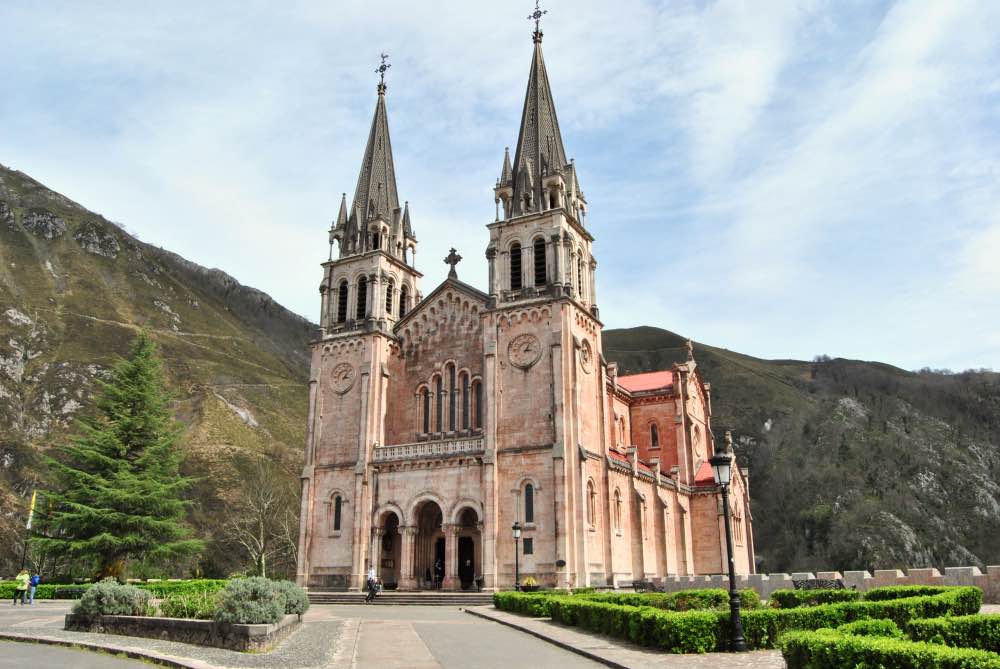 Basilica
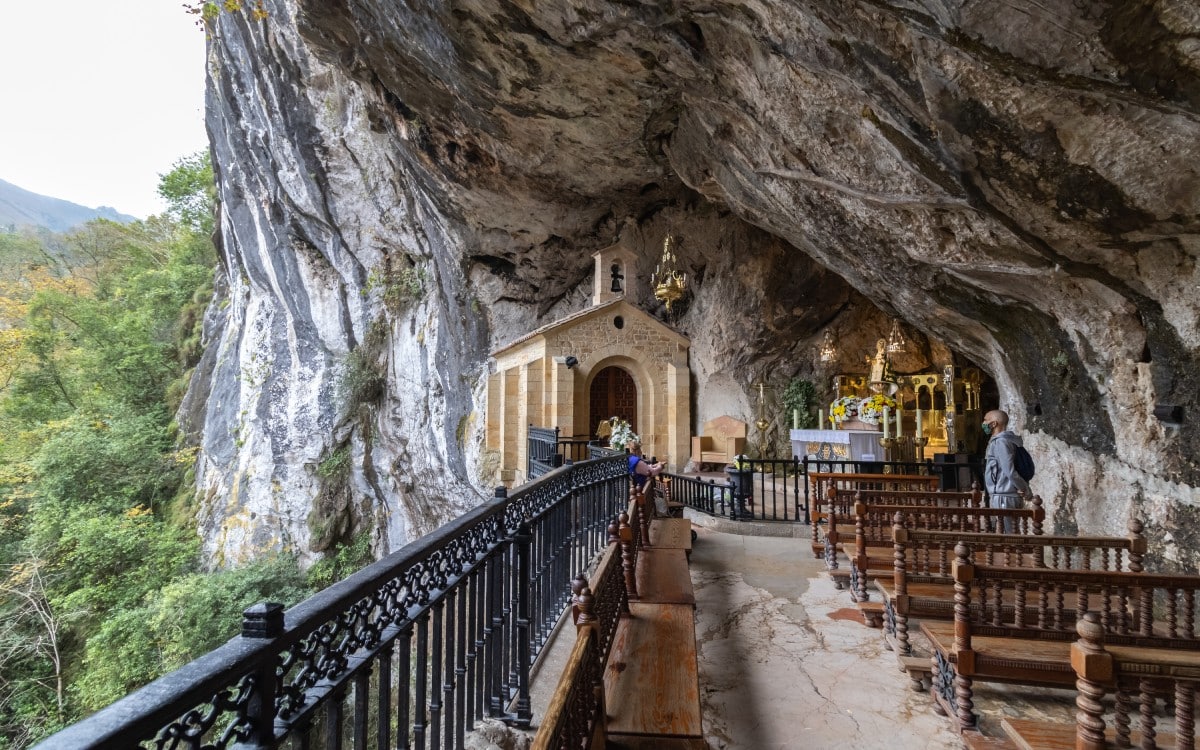 Holy Cave
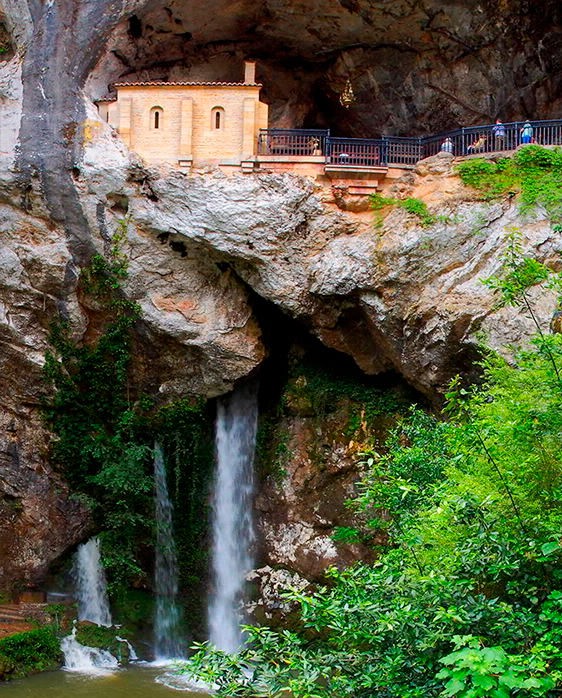 Waterfall
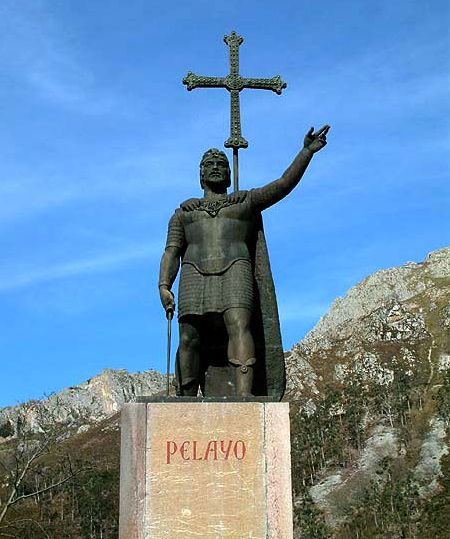 Pelayo
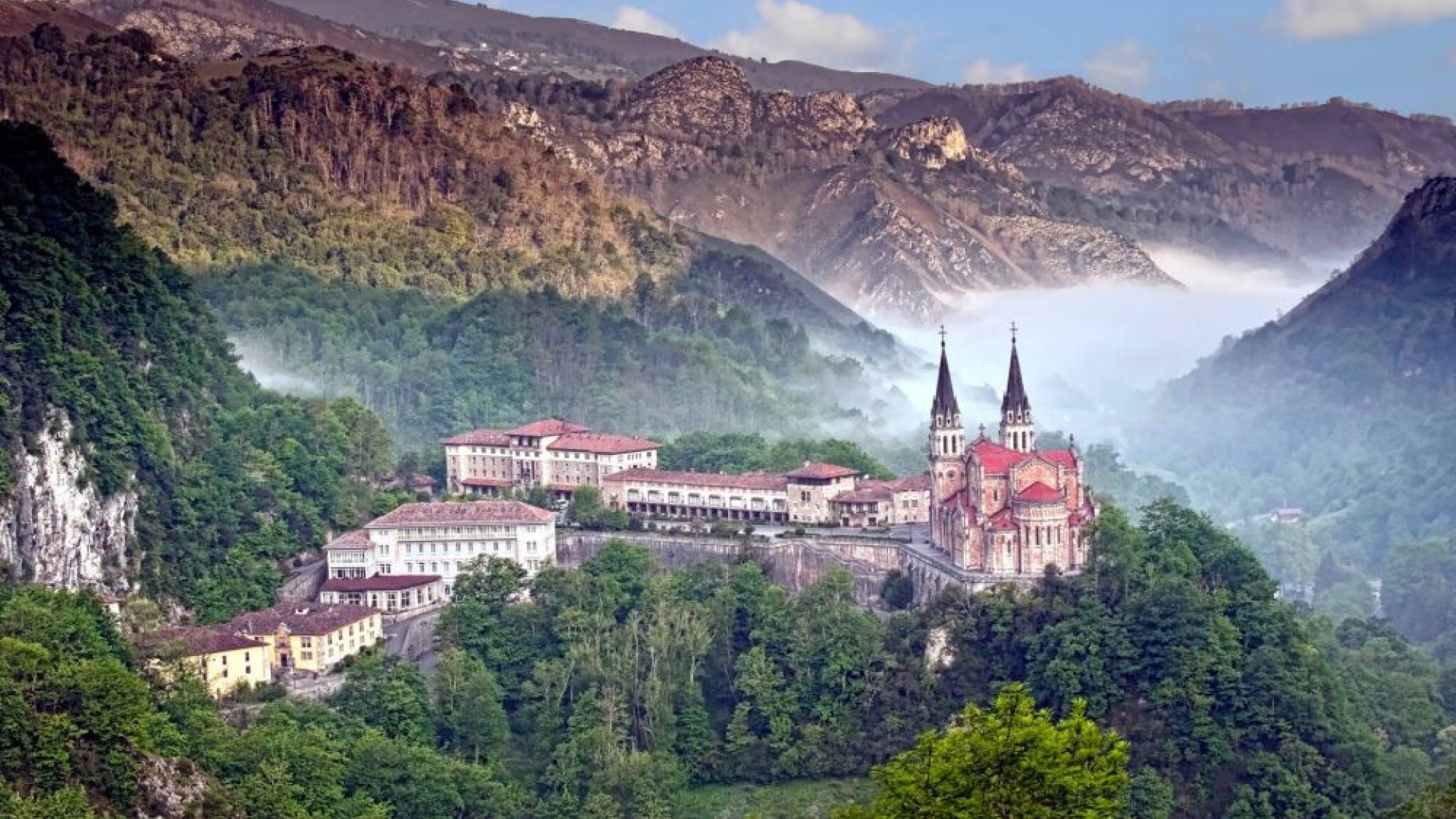 Viewpoint
Cueva de Tito Bustillo
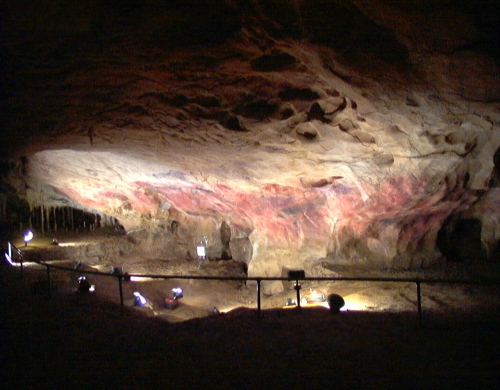
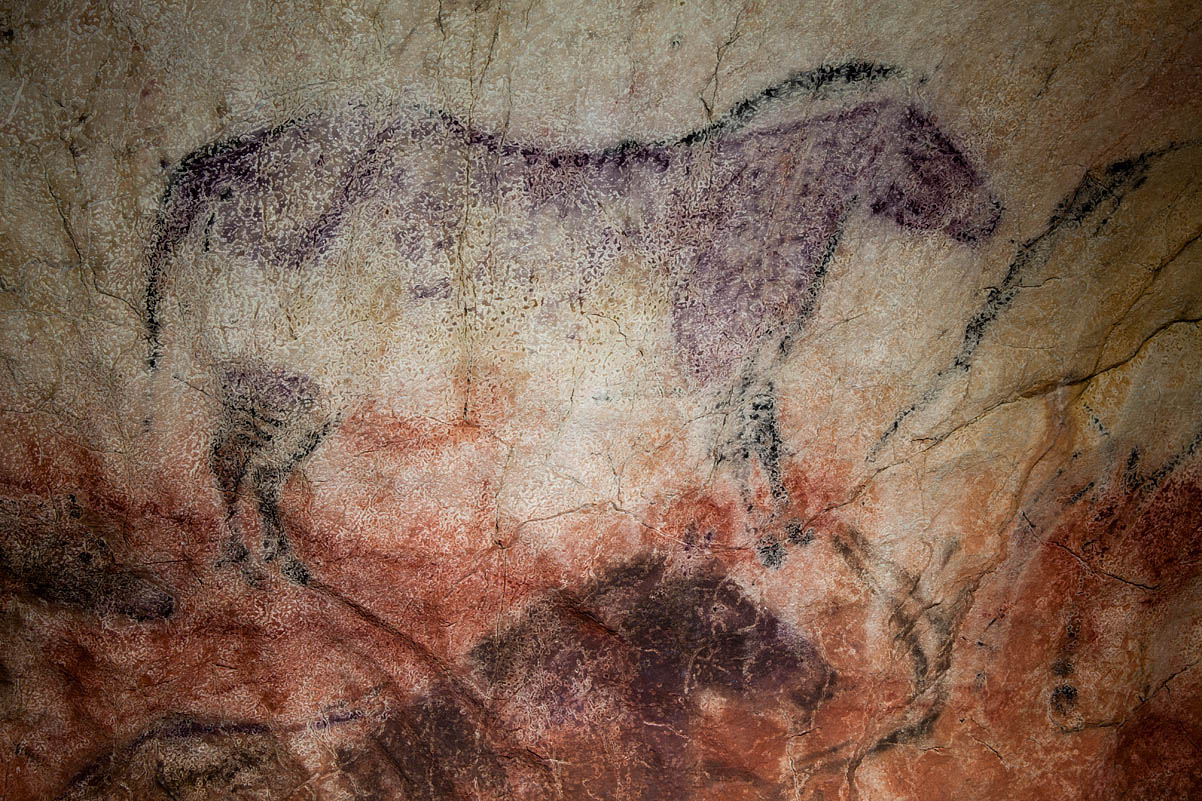
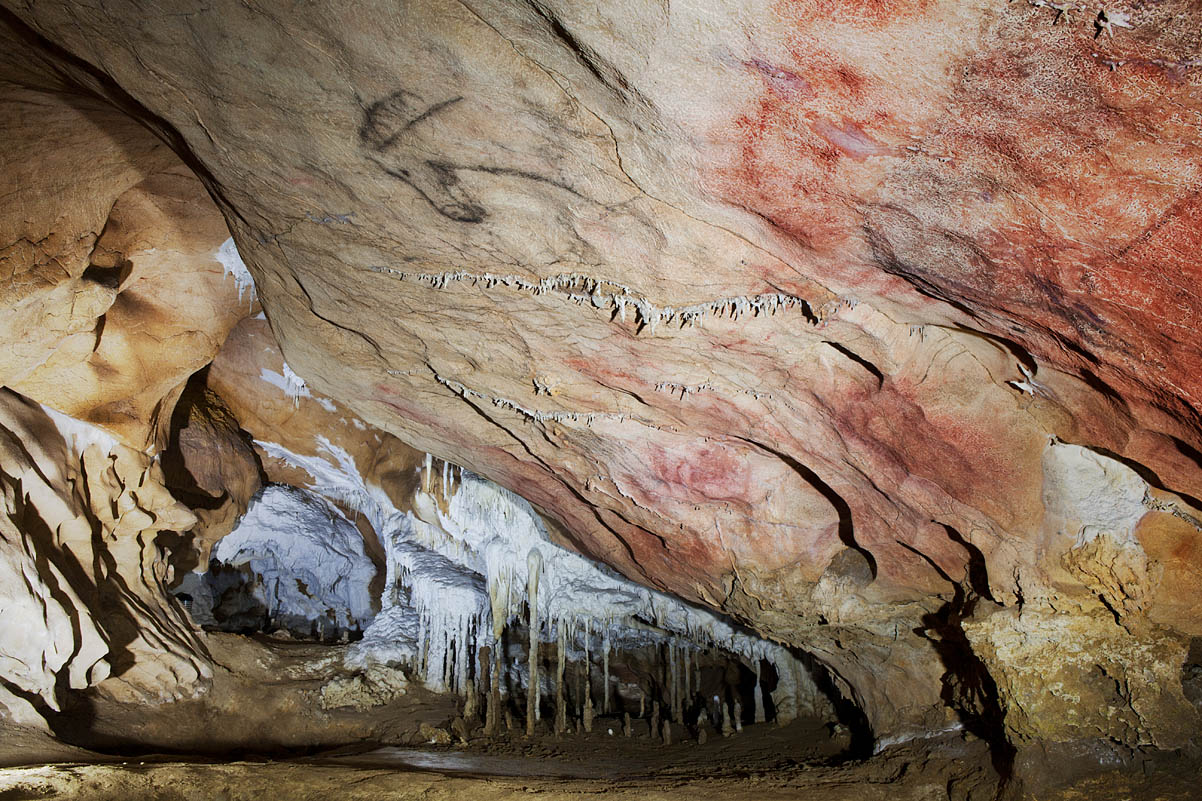
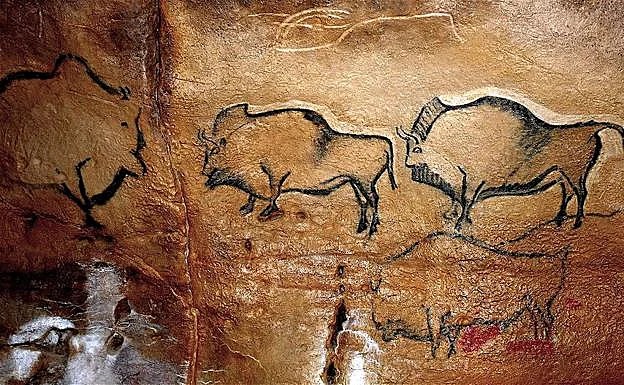
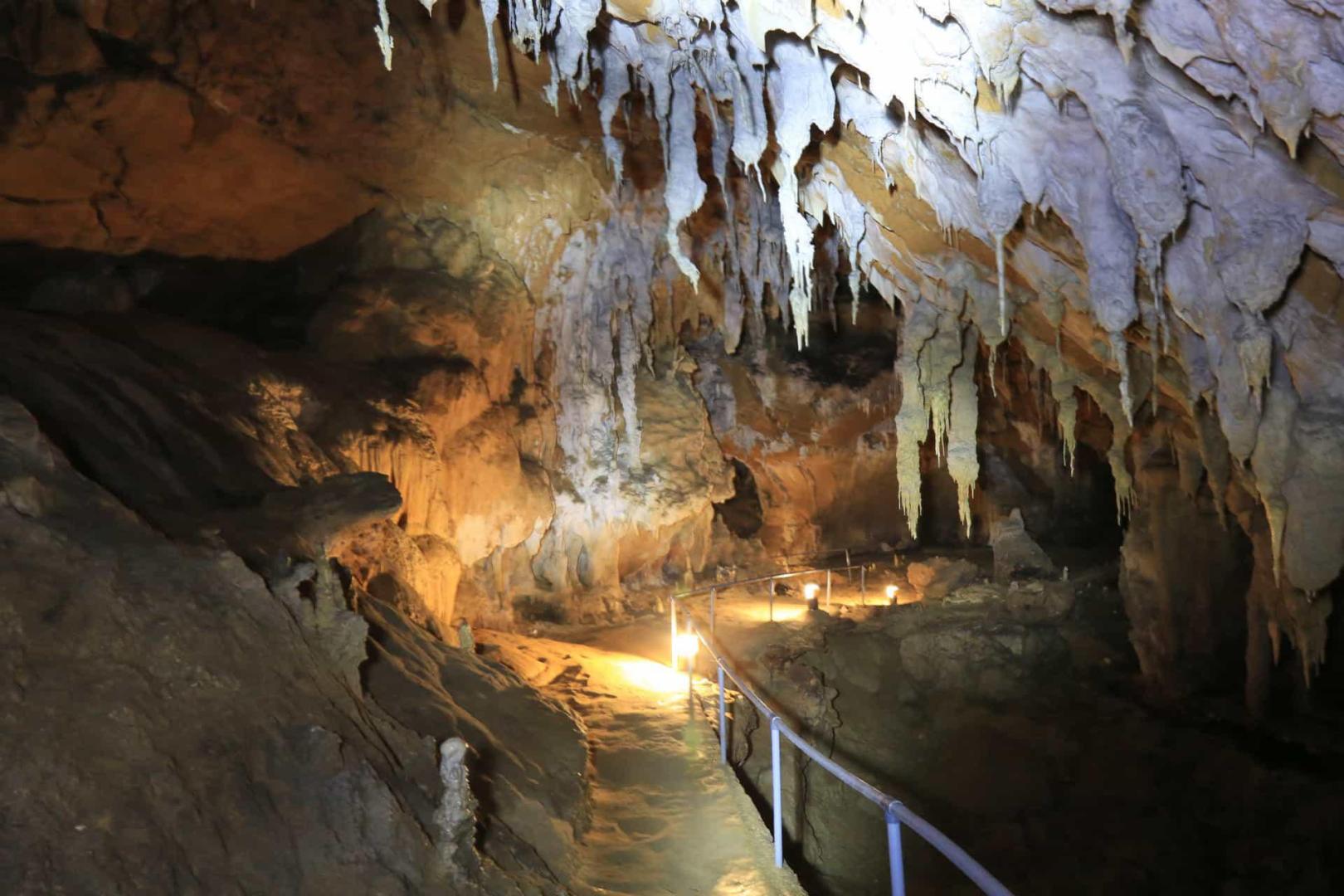
The Cave of Tito Bustillo is one of the most important prehistoric sites in Europe, containing an extraordinary collection of Paleolithic cave paintings created more than 14,000 years ago. It forms part of the UNESCO World Heritage listing of the Paleolithic Cave Art of Northern Spain and offers a unique opportunity to connect with humanity's distant past.
Santa María del Naranco
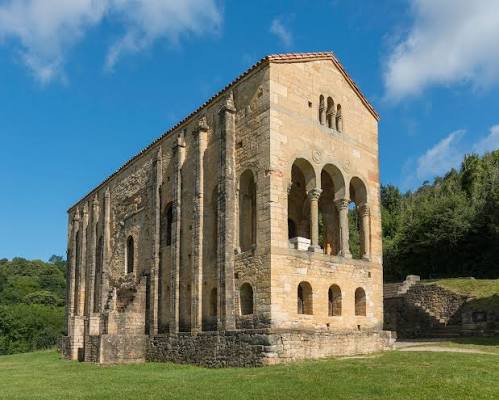
A 9th-century monument and one of the most important examples of Asturian pre-Romanesque architecture, located on Mount Naranco.
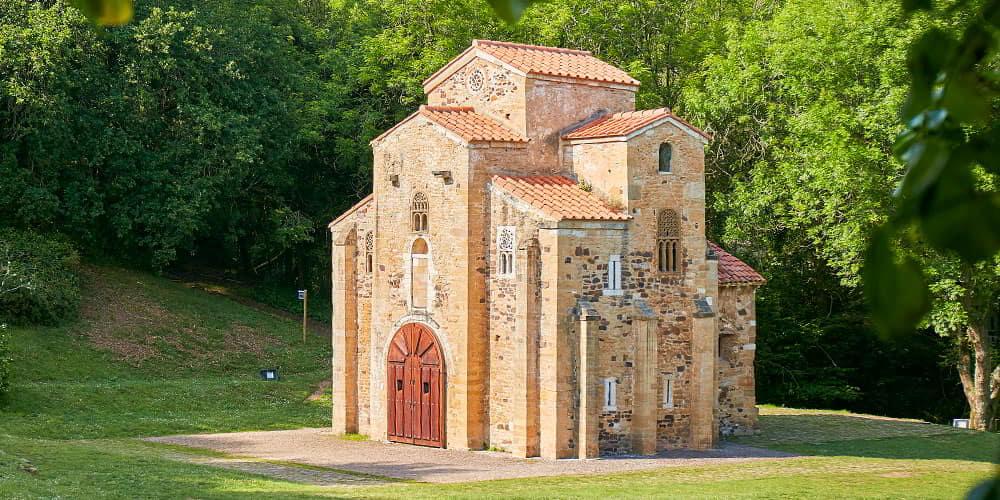
San Miguel de Lillo
Located near Santa María del Naranco, this church is another remarkable example of Asturian pre-Romanesque art and history.
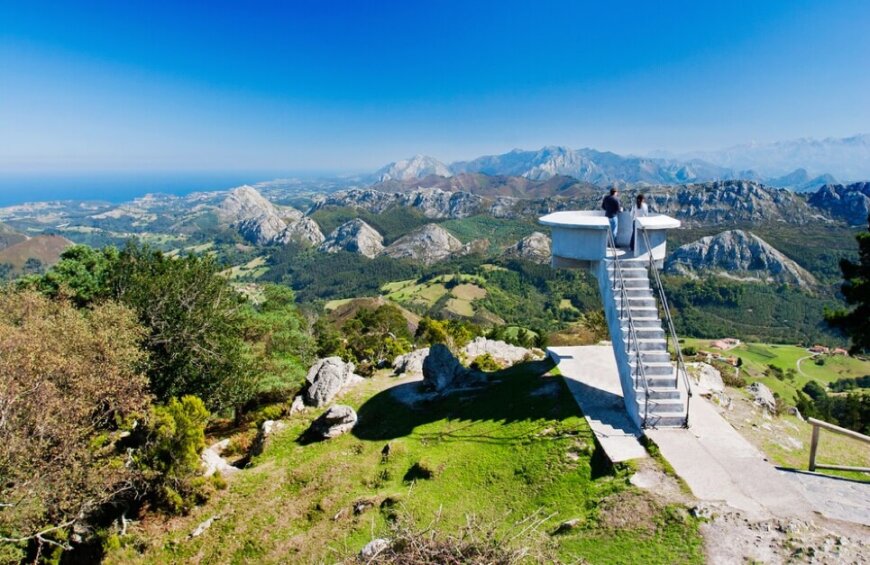
Mirador del Fitu
One of the best panoramic viewpoints in Asturias, offering views of both the mountains and the Cantabrian Sea.
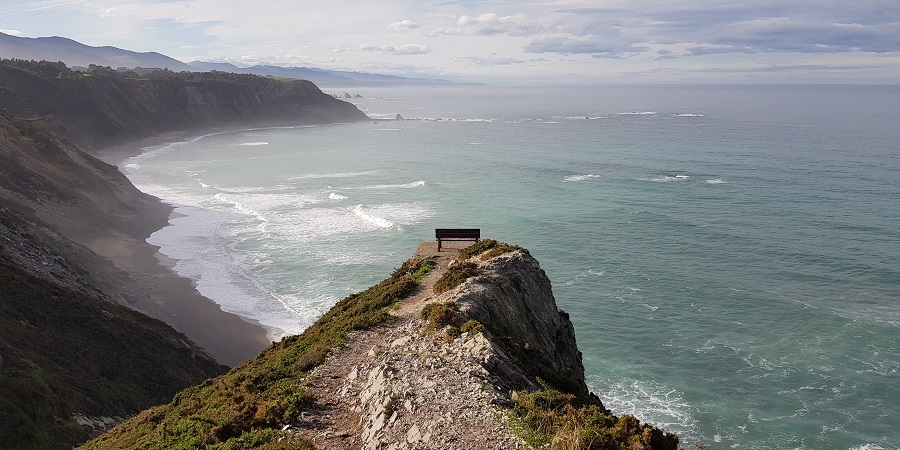
Cabo Vidio
A dramatic coastal viewpoint with cliffs, ocean views and some of the most beautiful sunsets in Asturias.
Museums
Asturias is home to a diverse collection of museums that showcase its history, culture, industry and traditions. Whether you are interested in prehistoric art, motorsport, mining heritage or local gastronomy, there is something for every visitor.
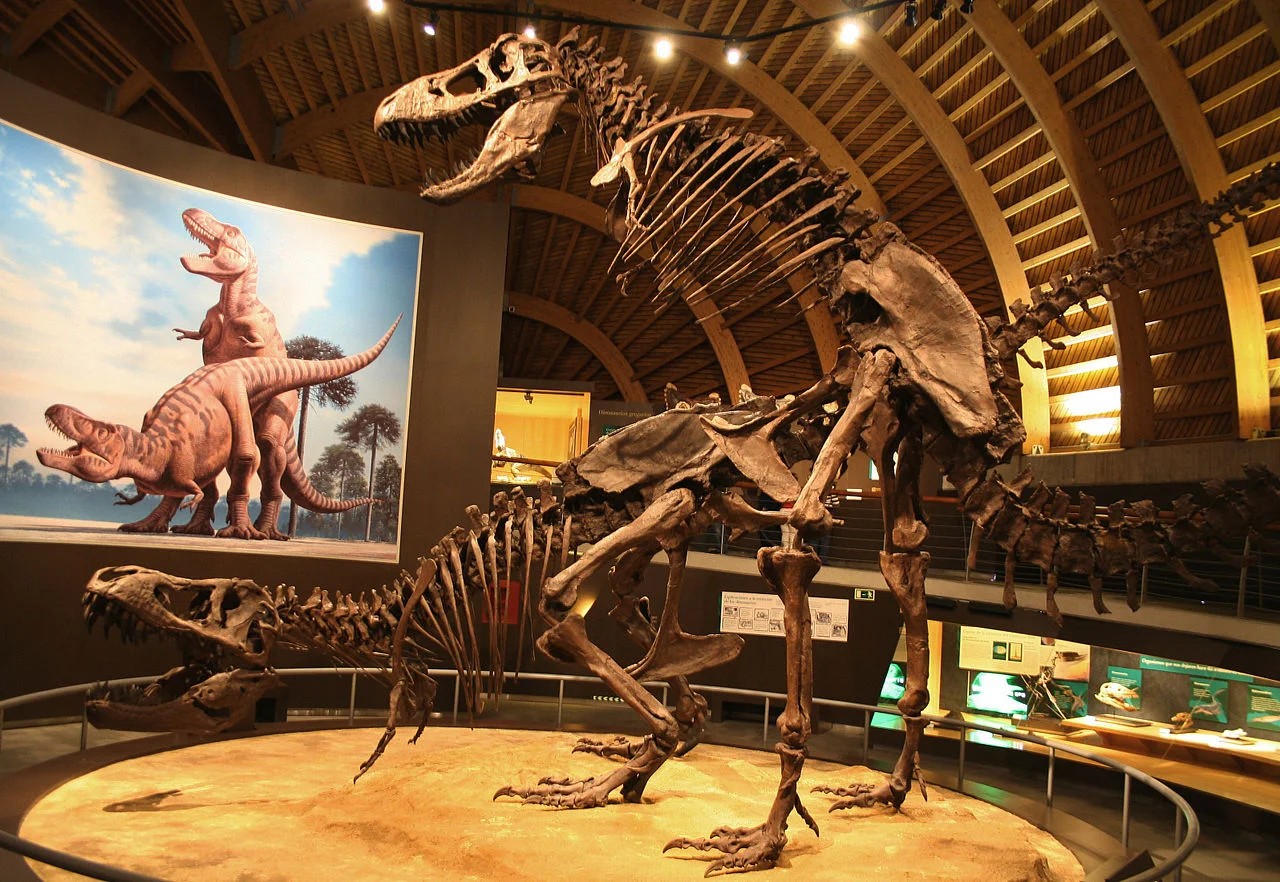
Museo del Jurásico
A dinosaur-themed museum located near one of Europe's most important dinosaur footprint sites.
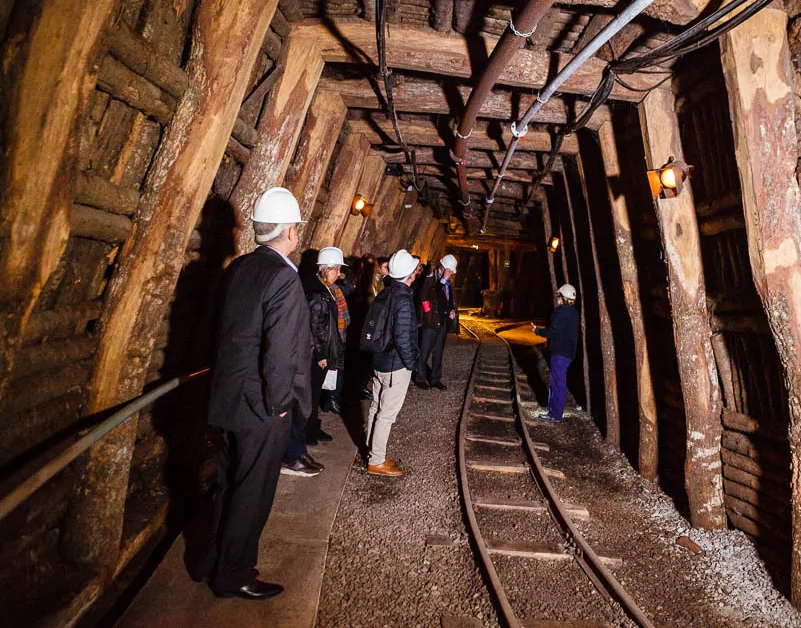
Pozo Sotón
A unique mining heritage site where visitors can learn about Asturias' industrial history and the life of miners.

Fernando Alonso Museum
A must-visit for motorsport fans, with Formula 1 cars, trophies, helmets and items from Fernando Alonso's career.
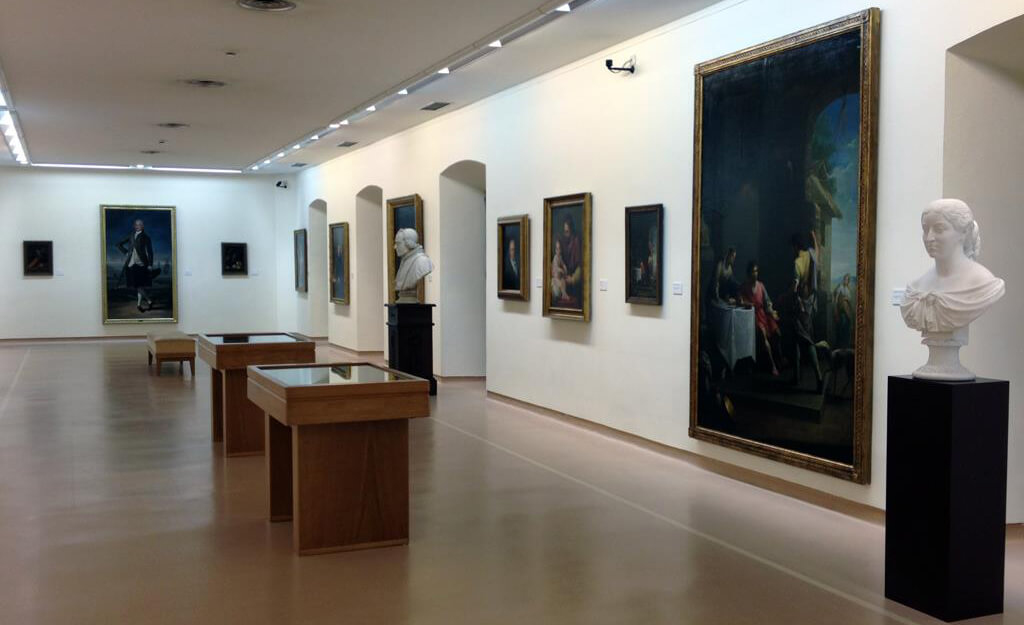
Museum of Fine Arts
One of the most important art museums in northern Spain, with works from Spanish and European artists.
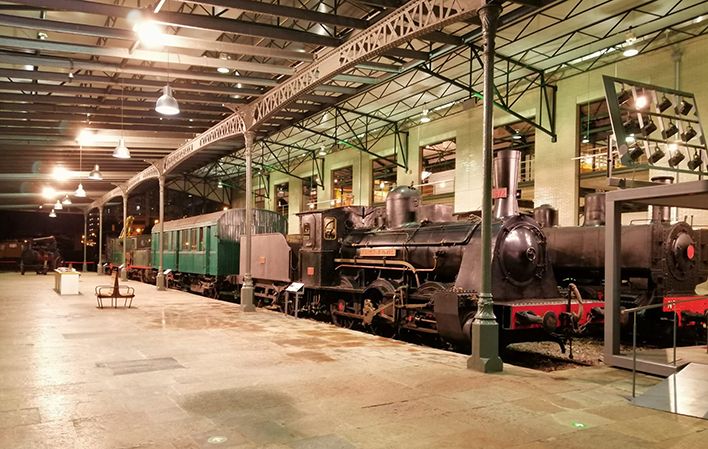
Railway Museum
A museum dedicated to the railway history of Asturias, with historic trains, engines and industrial heritage.
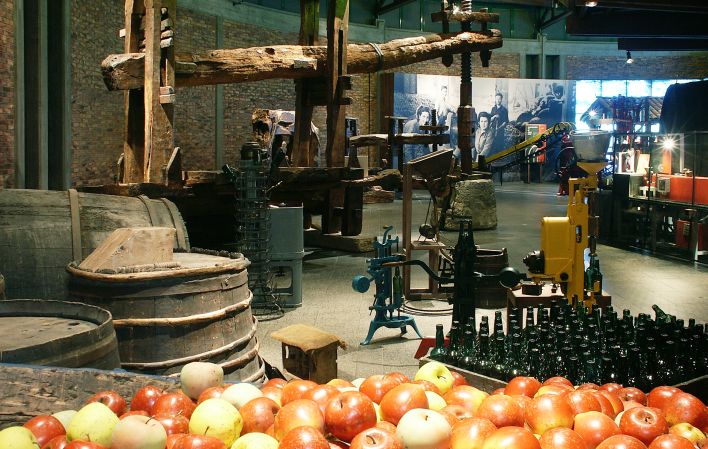
Cider Museum
A cultural museum dedicated to Asturian cider, its production process and its role in local identity.
Cities
Although Asturias is famous for its natural landscapes, its cities are equally worth exploring. Oviedo, Gijón and Avilés each have their own character, offering a mix of history, culture, nightlife, gastronomy and student life throughout the year.
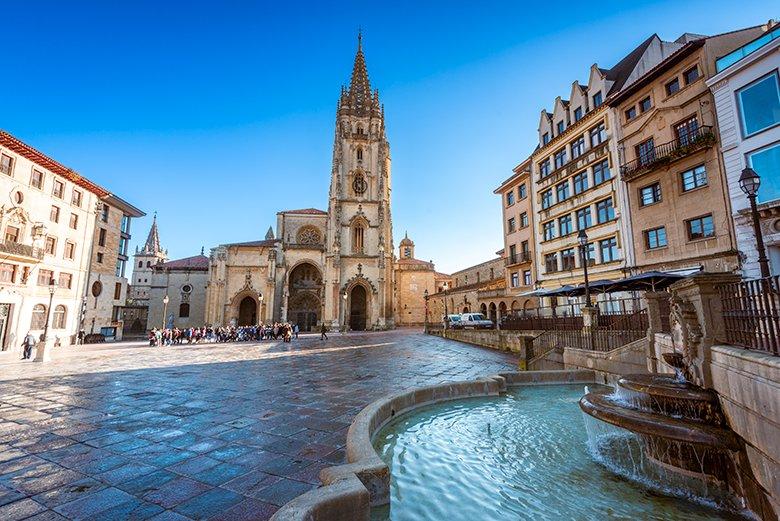
Oviedo
The capital of Asturias, known for its historic centre, cultural life, university atmosphere and elegant streets.
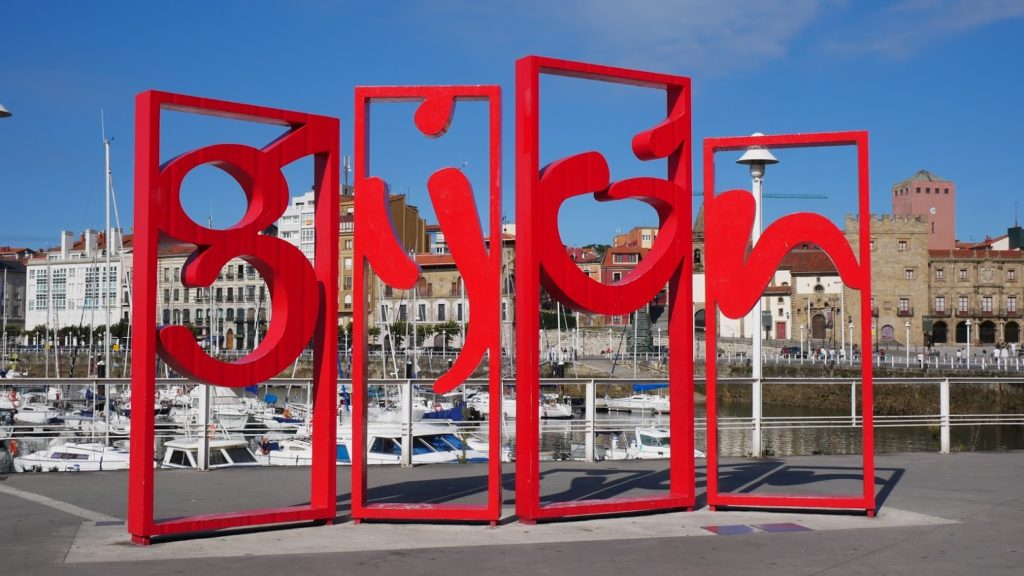
Gijón
Asturias' largest coastal city, combining beaches, nightlife, culture and a vibrant student atmosphere.
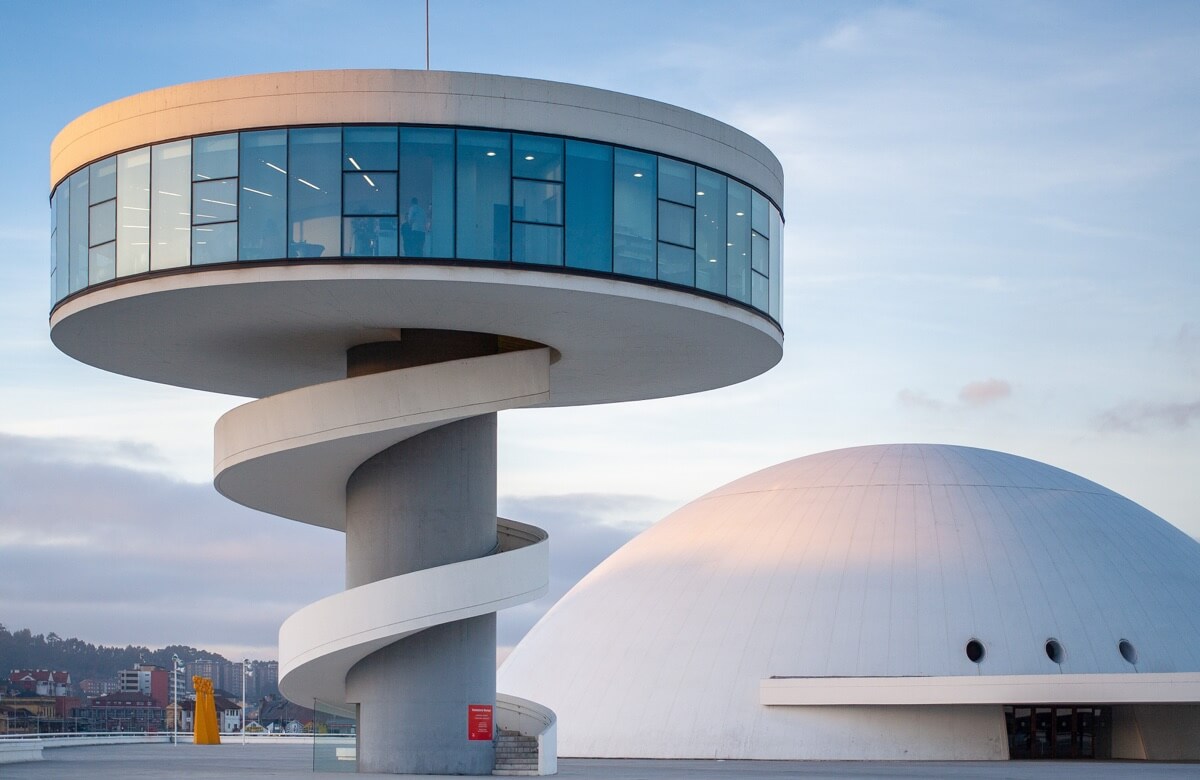
Avilés
Home to the iconic Centro Niemeyer and one of the best-preserved old towns in northern Spain.
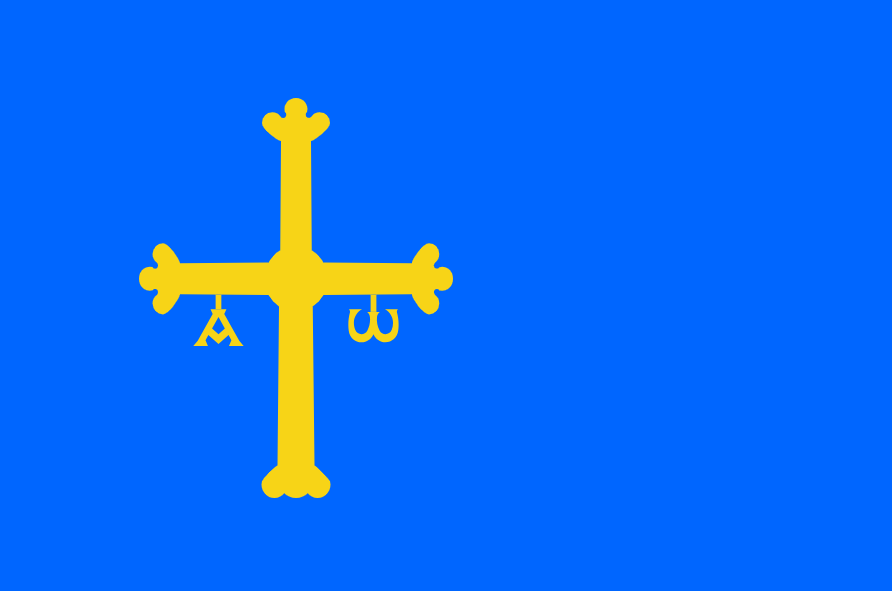
A Symbol of Asturias
The flag of Asturias is one of the most recognisable symbols of the region. Its blue background and yellow Victory Cross can be seen throughout Asturias, reflecting the strong sense of identity and pride shared by its people.
The Victory Cross is closely linked to King Pelayo and the origins of the Kingdom of Asturias, making it an important historical and cultural emblem.